Tokyo's Must-Try Local Specialties: Restaurants in the Tsukishima Area
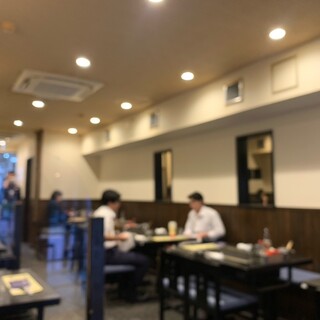
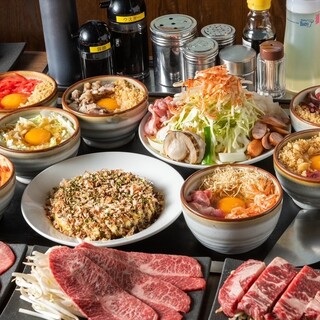
This restaurant specializes in monjayaki, a classic dish representing Tokyo's downtown cuisine. Conveniently located about a 3-minute walk from Tsukishima Station, it can be found on Sanban-gai of Nishinaka-dori, also known as "Monja Street."
Known for its popularity, the restaurant sometimes draws lines of eager diners. With many tables available, however, seating moves quickly and wait times are kept to a minimum.

Photograph:33.doskoi
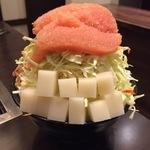
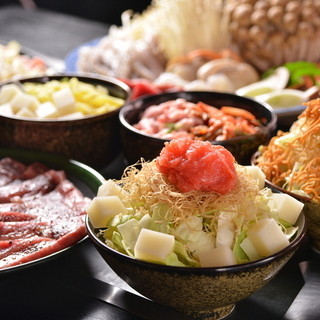
Monja Kura offers an extensive menu of monjayaki, allowing guests to customize their dishes with a variety of toppings. The most popular choice is the signature "Kura Special Monja."
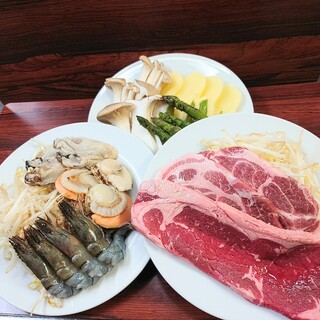
This hearty dish is generously filled with seafood including crab, scallops, clams, squid, shrimp, octopus, and spicy cod roe, along with chewy rice cakes and noodles for added substance.
Photograph:amjii
Monja Kura is known for its monjayaki, which features a well-balanced dashi broth that maintains its flavor without becoming overly salty, even as it cooks. Thanks to this, you can easily enjoy two or more varieties in one visit.
If you are unfamiliar with how to cook monjayaki, the staff are happy to prepare it for you or teach you the proper technique.

グルメな英ちゃん
The prices are kept reasonable so that local residents can easily visit. Indeed, while some places charge higher prices, Monja Kura offers great value. The service is also excellent. The staff will prepare the monja for you, following each step carefully to ensure it is delicious.
Source:グルメな英ちゃん's review

グルメモンスター7123
Kura Special Monja
A signature monja featuring a luxurious mix of seafood, corn, mochi, and soba noodles. For your first serving, a staff member will prepare it skillfully at your table. The monja here is light yet packed with umami from the dashi broth. After trying other monja elsewhere, I found this one to be by far the most delicious, showing just how different monja can be depending on the restaurant.
Source:グルメモンスター7123's review
Monja Kura
Tsukishima Sta. / Monjyayaki, Okonomiyaki (Japanese savory pancake), Teppanyaki
-
JPY 2,000 - JPY 2,999
-
JPY 1,000 - JPY 1,999
-
-
東京都中央区月島3-9-9
See all reviews for this restaurant
Photograph:Adamos
This monja restaurant is operated by a seafood wholesaler based in Tsukiji. Located on the 4th Avenue of Tsukishima's famous Monja Street, it also has a branch nearby.
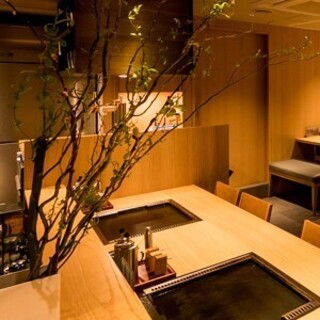
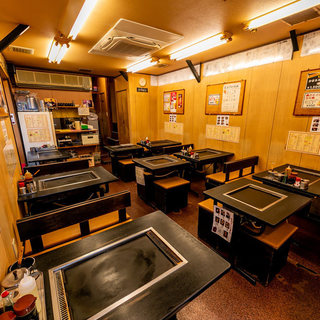
There are even teppan grills at the counter seats, creating a welcoming atmosphere where even solo diners or pairs can easily enjoy monja.
Photograph:熟成寿司大好き
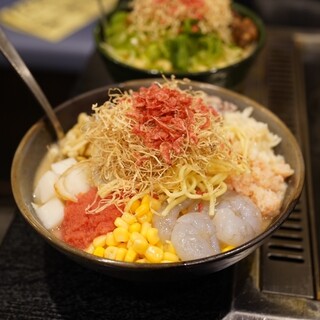
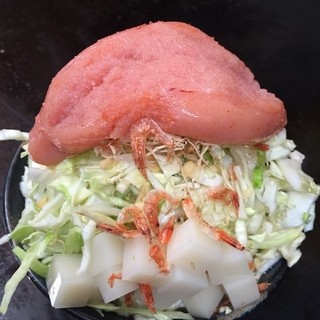
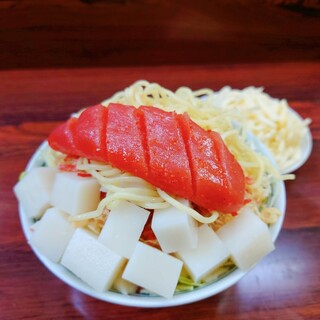
The signature dish here is the "Mentaiko Mochi Monja." The diced mochi melts as it cooks, blending perfectly with the savory batter.
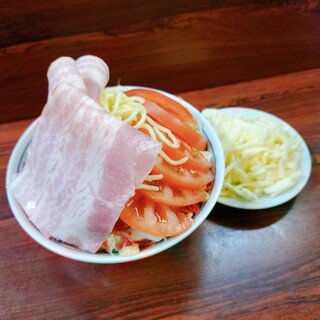
Another popular choice is the "Squid Ink Monja." Despite its striking black appearance, it is known for its rich, delicious flavor. It pairs especially well with toppings like cheese or tomato.
Photograph:寧々サン
In addition to monjayaki and okonomiyaki made with fresh seafood, Tsukishima Monja Moheji also offers teppan-yaki dishes featuring seafood delivered directly from Tsukiji Fish Market.
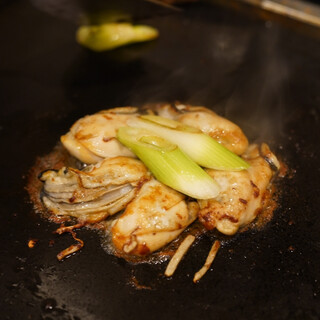
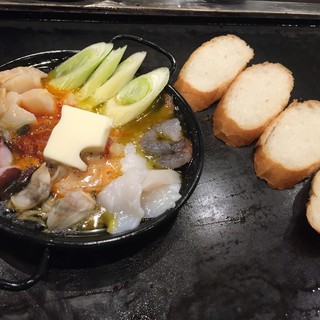
Depending on the season, you can enjoy specialties such as whole grilled squid seasoned with a savory soy sauce made with squid liver, or plump, large oysters grilled in butter.

folen
The signature Mentaiko Mochi Cheese Monja (with cheese as a topping) was as delicious as ever. The dishes are visually appealing, and the staff skillfully prepare each monja at your table, allowing you to focus on enjoying every bite. The seasonal special featuring firefly squid was also outstanding.
Source:folen's review

shikapon7
Squid Ink Monja
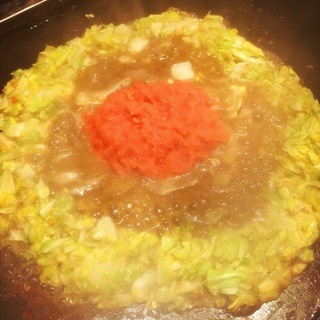
I ordered the squid ink monja with an extra cheese topping. The staff cooked it with great care and a friendly smile, even suggesting, "It's delicious with a sprinkle of pepper." Adding pepper gave the dish a wonderful depth of flavor, but it was just as tasty without it. This was such a delicious monjayaki that I definitely want to come back again!
Source:shikapon7's review
Tsukishima Monja Moheji Honten
Kachidoki Sta. / Monjyayaki, Okonomiyaki (Japanese savory pancake), Izakaya (Japanese style tavern)
-
JPY 3,000 - JPY 3,999
-
JPY 1,000 - JPY 1,999
-
-
東京都中央区月島3-16-9リノスタイル月島 1F
See all reviews for this restaurant
Photograph:ぺねろぺ☆
This restaurant offers traditional downtown Tokyo-style monjayaki, prepared with the same care as fine Japanese cuisine. Rojiura Monja Koboreya Yui is conveniently located about a 4-minute walk from Kachidoki Station.
The interior features a refined Japanese ambiance, with both counter and table seating available, providing a relaxed and comfortable dining experience.
Photograph:東行晋作
The signature dish here is the "Koboreya" Monja, featuring a generous mix of ingredients such as conger eel, red shrimp, and scallops.
The staff expertly prepare the monja right in front of you on the teppan grill. Made with plenty of vegetables and a savory sauce, it pairs perfectly with the rich seafood dashi.
In addition to monjayaki, the menu also features okonomiyaki. The classic pork okonomiyaki is said to have a familiar taste, but is made even more delicious with its fluffy texture.
Course menus with all-you-can-drink options are also available, allowing you to enjoy a full range of popular dishes—from monjayaki and yakisoba to a sweet dessert to finish your meal.
ゆたグルメレポート
Rojiura Monja Koboreya Yui is a luxurious monjayaki restaurant known for its impressive presentation and unforgettable impact. Each dish is prepared with exceptional attention to detail, and the signature dashi broth is outstanding. Among the many restaurants in Tsukishima, this spot is especially popular. The interior is elegant and impeccably clean, and the monjayaki—generously filled with premium ingredients—is both visually stunning and exceptionally delicious. Truly an extraordinary dining experience.
Source:ゆたグルメレポート's review

ラミアル
The restaurant’s signature "Koboreya Monja" lives up to its name, arriving at the table overflowing with a generous assortment of red shrimp, conger eel, oysters, scallops, clams, and squid tentacles. The impressive presentation is sure to catch your eye! The staff expertly prepares the monja tableside, ensuring it is cooked to perfection every time. The combination of fresh seafood and savory monjayaki makes for an exceptional dining experience.
Source:ラミアル's review
Rojiura Monja Koboreya Yu
Kachidoki Sta. / Monjyayaki, Izakaya (Japanese style tavern), Okonomiyaki (Japanese savory pancake)
-
JPY 3,000 - JPY 3,999
-
JPY 1,000 - JPY 1,999
-
-
東京都中央区月島3-14-2
Reserve online now
See all reviews for this restaurant
Photograph:デーデ1024
Iroha is a monjayaki restaurant that has been serving customers in Tsukishima for nearly 70 years. Located on the second floor of a building on Tsukishima's famous Monja Street (Sanbangai), it offers a lively and casual atmosphere reminiscent of an izakaya, making it the perfect place to enjoy monjayaki and drinks with friends.
Photograph:koz.32
A distinctive feature here is the use of dried "sakura ebi" (cherry shrimp) instead of ordinary small dried shrimp. Combined with sliced squid, these ingredients create a rich, flavorful dashi broth.
A wide variety of toppings are available, allowing you to create your own original monjayaki. Options include unique choices such as Baby Star ramen snacks and Camembert cheese.
Photograph:\(・ω・)/
One of the restaurant’s specialties is the "Sapporo Monja," a creative take on monjayaki inspired by Sapporo ramen. This unique dish features noodles, butter, and corn, all seasoned with miso.
Guests typically cook the monja themselves at the table, but if you are unsure how to proceed, the staff are happy to assist.
koz.32
When it comes to Monja in Tsukishima, the Mentaiko Mochi Cheese variety is especially famous. While the mentaiko mochi is delicious, the Baby Star Monja is also highly recommended. The crispy Baby Star noodles are sprinkled on top at the end, adding a delightful texture and flavor. Although the Mixed Monja also caught our attention, this time we chose the Baby Star Monja and added our favorite toppings, creating a Monja just the way we like it.
Source:koz.32's review
mtaku130
There is a wide variety of dishes, and everything is delicious. The Sapporo, recommended by the staff, features miso, noodles, and corn, reminiscent of Sapporo ramen, and was indeed excellent. The lively atmosphere makes it perfect for enjoying with a group.
Source:mtaku130's review
Iroha Hon Ten
Tsukishima Sta. / Monjyayaki, Okonomiyaki (Japanese savory pancake)
-
JPY 4,000 - JPY 4,999
-
JPY 2,000 - JPY 2,999
-
-
東京都中央区月島3-4-5サン・グランパ 2F
Reserve online now
See all reviews for this restaurant
Photograph:生天目 佳高
Monja Kondo is one of the most historic monjayaki restaurants in Tsukishima, said to have started serving monja in the corner of a candy shop shortly after World War II. It is located about a 5-minute walk from Tsukishima Station.
The tables are set close together, creating a lively, traditional downtown atmosphere where guests can enjoy their meal.
Photograph:paru8888
The "Classic Nostalgic Monja" features the same ingredients as when the restaurant first opened: cabbage, sliced squid, dried shrimp, and crispy tempura bits. This simple combination lets you fully enjoy the flavors of shrimp and squid.
A customer favorite is the "Mochi Cheese Mentaiko" monja. The chewy mochi and melted cheese blend perfectly with the savory mentaiko, creating an irresistible taste that will have you coming back for more.
Photograph:ペコリーナ014
Several varieties of monja are available in half sizes, making it perfect for those who want to sample a little of everything.
After enjoying monja or okonomiyaki, be sure to try the Japanese-style crepe for dessert. The thinly grilled crepe is filled with ingredients like sweet red bean paste or apricot, then rolled up for a delightful finish.

paru8888
The "Shio-dare Cabbage" was so delicious that it made me want to buy the salty dressing to take home. We also ordered half portions of the "Classic Nostalgic Monja" and the "Curry Monja." I appreciated being able to try different flavors by ordering half portions. My friend, who always enjoys Ramune soda, recommended pairing Monja with Ramune for the perfect Tsukishima experience.
Source:paru8888's review

b12344
Monja Kondo’s monjayaki features a flavorful dashi broth with just the right richness, making it easy to enjoy and a perfect match for drinks. Each serving is generously filled with a variety of ingredients. The restaurant is also notably clean for the area, with well-prepared storage spaces for bags and belongings to prevent any lingering food aromas.
Source:b12344's review
Monja Kondo Hon Ten
Tsukishima Sta. / Monjyayaki, Okonomiyaki (Japanese savory pancake)
-
JPY 2,000 - JPY 2,999
-
JPY 1,000 - JPY 1,999
-
-
東京都中央区月島3-12-10
Reserve online now
See all reviews for this restaurant
Located about a 3-minute walk from Exit 10 of Tsukishima Station, Monja Maguroya offers monjayaki and teppan-yaki dishes prepared with fresh ingredients from Tsukiji Market.
The restaurant features glass doors, allowing you to see inside and creating a welcoming atmosphere. Seating is available on both the first and second floors.
Photograph:1008_ゆっきー
Enjoy monjayaki generously filled with large-cut seafood pieces. The "Sakai Special" is especially popular for its abundance of fresh seafood ingredients.
Monja Maguroya also offers a unique "Maguro Monja," featuring the restaurant's signature diced tuna combined with the classic monjayaki mix. Even cooked in monja style, the quality of the tuna stands out.
The signature dish here is the "Exquisite Tuna Steak." Large cuts of fresh tuna are delivered directly from Toyosu Market and stir-fried with bean sprouts.
The tuna takes on a meaty texture, while the flavorful juices soak into the bean sprouts, making this dish a perfect accompaniment to drinks.
チャージ1215
Monja Maguroya is known for its exceptional seafood, but thanks to our large group, we were able to try a wide variety of flavors. It was surprising how dishes that looked so similar could taste so different! Each one was delicious. Every dish truly showcased the winning combination of ingredients.
Source:チャージ1215's review
あすと☆
Seafood with Tuna Topping
Impressive! Generous pieces of seafood are packed in, making for a striking presentation. First, I built a moat and began grilling. There was quite a bit of liquid, and as it cooked, a mysterious thickness developed around the edges. The seafood was delightfully plump and flavorful, and the tuna in particular was outstanding—I'm glad I added it!
Source:あすと☆'s review
Monja Maguroya Hon Ten
Tsukishima Sta. / Monjyayaki, Okonomiyaki (Japanese savory pancake), Teppanyaki
-
JPY 3,000 - JPY 3,999
-
JPY 1,000 - JPY 1,999
-
-
東京都中央区月島3-7-4
Reserve online now
See all reviews for this restaurant
Tokyo's Must-Try Local Specialties: Restaurants in the Fukagawa Area
Photograph:なまらうまい
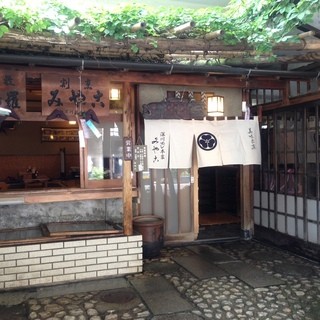
Kappou Miyako is renowned for serving Fukagawa-meshi, one of Tokyo’s signature local dishes. The restaurant is located about a five-minute walk from Morishita Station, heading toward Fukagawa Basho Street.
Founded in the Taisho era as a traditional kappo-style restaurant, it retains the nostalgic charm of old Tokyo. Guests can enjoy their meal seated at low tables in spacious tatami rooms, and private rooms are also available.
Photograph:いけくみ
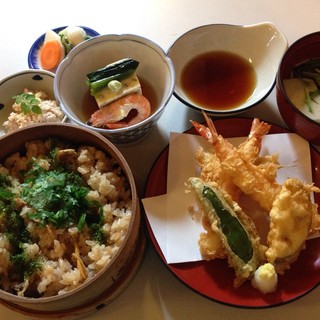
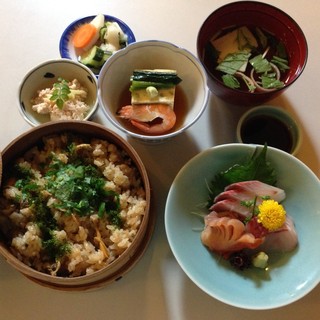
You can enjoy "Fukagawa-meshi," a traditional rice dish cooked with petite asari clams. The clams are first gently simmered in dashi broth and seasonings, and then cooked together with rice in the flavorful broth.
The dish is served in a round wooden container called a wappa, with the rice steamed to perfection. When you lift the lid, a delicate aroma of clams greets you.
Photograph:kleinehexe
The wooden box holds about one and a half servings of rice. In addition to the "Fukagawa-meshi Set," which comes with clear soup, there are also sets that include sashimi or tempura.
Along with the signature Fukagawa-meshi, the nostalgic atmosphere—reminiscent of the Taisho and early Showa eras—adds to the restaurant's unique charm.

KARLOG
Of course, I ordered the signature Fukagawa-meshi set. About 10 minutes after ordering, it arrived at my table. It was my first time having authentic Fukagawa-meshi at a restaurant, and it was truly delicious. The gentle umami flavor spread softly in my mouth, and each grain of rice was perfectly cooked, resulting in exquisite taste. The flavors were refined and not overpowering, reflecting careful craftsmanship. It was a meal that warmed both body and soul.
Source:KARLOG's review
omodakaya
You can immediately sense the rich atmosphere of tradition as you enter the restaurant. Although I didn't have the opportunity to choose my own dishes, I was completely satisfied with the "Miyako Set" that my companion had arranged in advance. The signature dish, Fukagawa-meshi with clams, was excellent, as were the sashimi, tempura, chawanmushi (savory egg custard), and clear soup. Every dish was impressive and paired perfectly with sake.
Source:omodakaya's review
Kappou Miyako
Morishita Sta. / Japanese Cuisine, Tempura, Seafood
-
JPY 4,000 - JPY 4,999
-
JPY 1,000 - JPY 1,999
-
Monday
東京都江東区常盤2-7-1
See all reviews for this restaurant
Located near the Fukagawa Edo Museum, this restaurant is easy to spot thanks to its distinctive sign featuring a traditional cooking pot along the street.
The interior has the casual feel of a diner or izakaya. The first floor offers table seating, while the second floor features traditional tatami rooms suitable for banquets and group gatherings.
Photograph:miots427
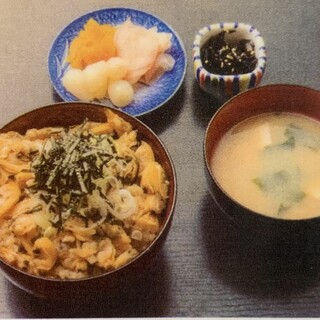
There are two local specialties here: "Fukagawa-meshi" and "Fukagawa Donburi," both generously featuring clams.
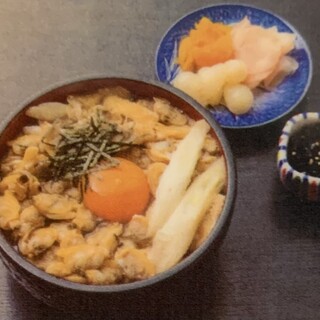
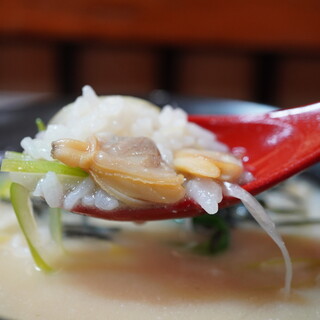
Pictured is the "Fukagawa Donburi"—a rice bowl topped with clams, green onions, and fried tofu simmered in dashi broth, then finished with a raw egg yolk. It offers the comforting flavor of a luxurious clam porridge.
Photograph:おもちぃぃ
Fukagawa-meshi is a traditional dish where rice is cooked together with clams and shimeji mushrooms in a flavorful dashi broth. The rice fully absorbs the rich taste of the clams.
For those who want to enjoy a variety of flavors, the "Fukagawa Set" is available. This set offers a generous portion that is sure to satisfy your appetite.

くぼゆう
I ordered the Fukagawa Donburi, a rice bowl topped with nori seaweed, green onions, fried tofu, and an abundance of clams. The flavorful dashi broth was truly impressive. This traditional style of Fukagawa Donburi is enjoyed with piping hot dashi poured over the rice, creating a wonderful harmony of flavors. It also comes with two egg yolks, which, when mixed into the broth, make the taste even richer and more mellow.
Source:くぼゆう's review

トダシュラン
First, the sheer quantity of clams is impressive—there must be around 50, if not more. The rice is cooked with clams, and then even more clams are generously piled on top. With every bite, you can savor the rich umami of the clams’ natural amino acids. Even with a light touch of soy sauce and dashi, the flavors are perfectly balanced. This dish truly brings out the essence of shellfish in every bite.
Source:トダシュラン's review
Fukagawa Kamashou
Kiyosumi Shirakawa Sta. / Donburi (Rice bowl), Seafood, Kamameshi
-
JPY 1,000 - JPY 1,999
-
JPY 1,000 - JPY 1,999
-
Monday
東京都江東区白河2-1-13
See all reviews for this restaurant
Photograph:ゆっきょし
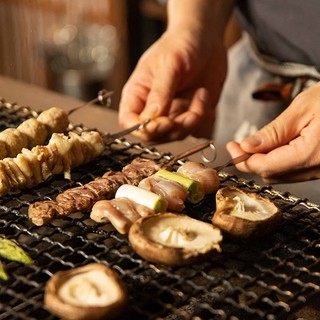
An izakaya located near Exit 2 of Monzen-nakacho Station, Monzen Chaya has been serving robatayaki and its signature "Asari-meshi" (clam rice), a local specialty of Fukagawa, for over 40 years. The restaurant features a unique cooking style developed in-house.
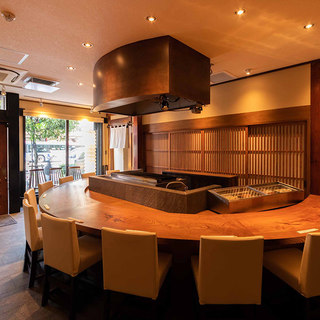
Guests can enjoy the lively atmosphere from semicircular counter seating that surrounds the grill, allowing them to watch the chefs at work.
Photograph:とことこ43445
The restaurant’s signature dish since its founding is the “Fukagawa Asari Seiro-meshi.”
Prepared using a traditional Japanese steaming method called takiawase, generous amounts of fresh clams are placed atop rice and steamed together. The result is a flavorful combination of tender clams, savory broth, and perfectly fluffy rice.
Photograph:たっつくん
During the Edo period, the Fukagawa area became famous for its abundance of clams, giving rise to a variety of local clam dishes. At Monzen Chaya, you can enjoy not only clam rice but also other clam specialties.
Classic offerings include "Asari no Sakamushi" (steamed clams with sake) and "Asari no Kakiage" (clam tempura fritters). In season, you can also savor large clams grilled over the robata hearth.

show2014
Steamed Rice with Asari Clams from Fukagawa
This dish features rice steamed in a bamboo basket with asari clams, abura-age (fried tofu), and green onions, all cooked together in a kombu kelp broth. The clams and other ingredients are generously spread across the top, so every bite is full of flavor. The rice absorbs all the delicious umami, resulting in a subtle sweetness unique to Japan. Unlike traditional takikomi gohan, this steamed preparation gives the rice a light and fluffy texture.
Source:show2014's review

mindshaker
Watching the chefs grill each item right in front of you creates an engaging, lively atmosphere. Thanks to the quality of the ingredients, you can truly savor the flavors, textures, and aromas of each dish. On this visit, I came for the Asari Seiro-meshi (steamed rice with clams) and a variety of Japanese sake. The Asari Seiro-meshi, an original creation said to be the first of its kind, is a unique twist on the classic Fukagawa-meshi.
Source:mindshaker's review
Monzen Chaya
Monzen Nakacho Sta. / Robatayaki, Yakitori (Grilled chicken skewers), Izakaya (Japanese style tavern)
-
JPY 4,000 - JPY 4,999
-
JPY 1,000 - JPY 1,999
-
Monday
東京都江東区富岡1-5-1
Reserve online now
See all reviews for this restaurant
Photograph:キャプテン・ソロ
Issui is located about a 5-minute walk from Kiba Station, right by the Shiomibashi Bridge. While the sign says "Japanese Cuisine," the restaurant has the warm, casual atmosphere of an izakaya, with a focus on fresh seafood.
There are both table and raised tatami seating options, and if you choose the counter, you can enjoy friendly conversation with the owner and hear nostalgic stories about Tokyo.
Photograph:KunGenki
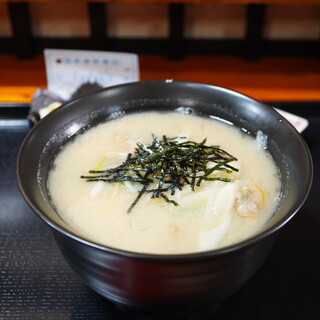
Fukagawa-meshi, a signature rice dish from the old downtown area of Edo, is often served as a mixed rice dish, but Issui offers it in the traditional "bukkake" style.
A generous serving of clam miso soup is poured over steamed rice, creating a gentle and comforting flavor.
Photograph:Karup
Negima Nabe, a hot pot featuring tuna and green onions, is another specialty here. This historic dish was created during a time when lean tuna was the norm, offering a way to enjoy the rich, fatty toro.
Despite its simple ingredients—tuna, green onions, and tofu—the flavorful tuna fat makes this hot pot both delicious and warming.

KunGenki
Since Issui is a sushi restaurant, I was tempted by their Negitoro Don and Bara Chirashi, but decided to order the Fukagawa-meshi. While the Fukagawa-meshi I had in Monnaka was a mixed rice style, Issui serves it as a "bukkake" style, which is said to be the original version. It may not be clear from the photo, but it was packed with clams! The persimmon in the shiraae (white-marinated fruit or vegetables) side dish was also sweet and delicious.
Source:KunGenki's review
muchos
The main specialty is Negi-Maguro Nabe (green onion and tuna hot pot), featuring a refined yet robust tuna flavor that blends perfectly with the dashi broth. The taste is so well-balanced that you can enjoy it effortlessly. This dish truly showcases the skill and expertise of a seasoned Edo-style chef.
Additionally, the Fukagawa-meshi is highly recommended. Made with a white miso base, it offers just the right amount of clam flavor, complemented by a sprinkle of seaweed and green onions. The harmonious combination of ingredients is simply outstanding.
Source:muchos's review
Issui
Kiba Sta. / Japanese Cuisine, Sushi, Fugu (Pufferfish)
-
JPY 6,000 - JPY 7,999
-
-
-
Saturday, Sunday
東京都江東区木場2-8-8
See all reviews for this restaurant
Tokyo's Signature Local Cuisine: Restaurants in the Ryogoku Area
Photograph:東京ホルモンズ
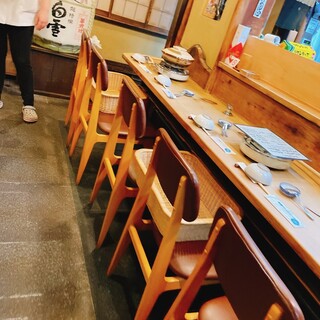
Located about a 3-minute walk from Ryogoku Station, Chanko Kawasaki is a well-known restaurant often mentioned as the go-to place for chanko nabe.
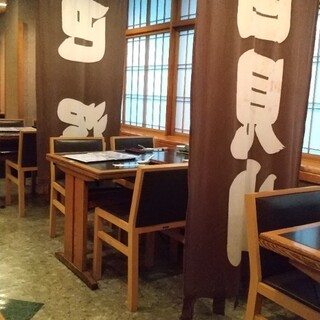
The restaurant features a traditional Japanese ambiance, including private tatami rooms. It is open only for dinner and tends to get crowded, so making a reservation is recommended.
Photograph:submarine20
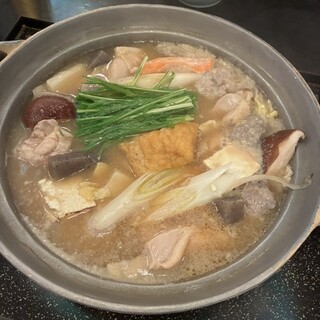
The restaurant’s signature "Nadai Chanko" hot pot features a carefully prepared chicken bone broth, generously filled with chicken and a variety of fresh vegetables.
At first, the mountain of vegetables may seem overwhelming, but once simmered in the rich chicken broth, they become irresistibly delicious—so much so that you’ll find yourself enjoying every last bite.
Photograph:山のポセイドン
The menu focuses on chicken dishes and a select range of alcoholic beverages, but the hot pot alone offers a satisfying experience—from the main course to the finishing touches of rice porridge or mochi.
The optional tsukune (chicken meatballs) are also highly regarded. Their savory soy glaze, grilled to perfection, pairs especially well with drinks.
ぺこちゃん55
The signature chanko hot pot truly lives up to its reputation. Featuring a rich chicken-based soy sauce broth, you’ll find yourself wanting more with every bite. The fried tofu, in particular, soaks up the flavor beautifully and is a personal favorite. To finish, the meal is completed with zosui (rice porridge) made from the remaining broth. The staff expertly handle everything—from adjusting the soup’s richness to managing the heat and timing—so you can enjoy zosui at its absolute best.
Source:ぺこちゃん55's review
喫茶ワーカー
The traditional Japanese house exudes a sense of timeless elegance. The warm and attentive staff offer detailed guidance on how to best enjoy each dish, ensuring you experience every flavor at its peak. Even in a lively dining room, the team’s seamless coordination brings each course to perfection with impeccable timing. The signature Chanko Hot Pot, generously prepared with premium jidori chicken, is rich in savory depth, and the refined course—from fresh vegetables to the final rice porridge—offers a truly satisfying culinary journey.
Source:喫茶ワーカー's review
Chanko Kawasaki
Ryogoku Sta. / Chanko-nabe, Yakitori (Grilled chicken skewers)
-
JPY 6,000 - JPY 7,999
-
-
-
Wednesday, Sunday, Public Hol...
東京都墨田区両国2-13-1
See all reviews for this restaurant
Photograph:めーぷるぽっけ
Named after the sumo wrestler Tomoegata, Chanko Tomoegata is located on the former site of the Tomozuna stable. The restaurant spans four floors and offers ample seating.
Just a three-minute walk from JR Ryogoku Station, it is a popular spot for diners heading to sumo matches after their meal.
Photograph:naru_melon
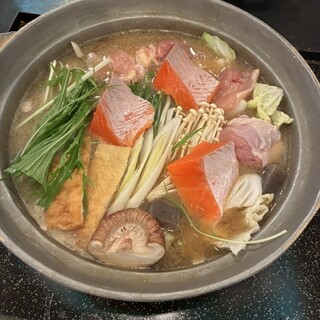
There are four types of chanko hot pot to choose from, each named after a sumo wrestler who once belonged to the Tomozuna stable. The options include chicken soy sauce, chicken salt, mizutaki-style (clear chicken broth), and miso.
The most popular choices are the chicken salt and mizutaki-style, both featuring the restaurant’s specialty—iwashi tsumire (sardine meatballs). Not only is the broth exceptionally flavorful, but the light and fluffy tsumire are also highly praised.
Photograph:keroriki
There are individual servings of chanko hot pot available, as well as set menus that include rice and a small side dish. For rice, you can also choose a limited-quantity takikomi gohan (seasoned rice cooked with various ingredients).
Even the single-serving hot pots feature the same flavorful broth and ingredients as the larger portions, making them a perfect match with rice.

ペコッティー
Tried a specialty chanko nabe restaurant in Ryogoku for the first time. The restaurant was fully booked on the day, so making a reservation is recommended. I could choose from mizutaki (clear broth), miso, or salt-based soup—I opted for the salt flavor this time. The soup is rich and flavorful, and the chicken, tsukune (meatballs), tuna, and salmon were all tender and delicious. The meal is finished with a satisfying rice porridge. Excellent flavors, attentive service, and an enjoyable experience from start to finish.
Source:ペコッティー's review
夏ミカン
Kunimiyama
The restaurant’s signature dish is its secret recipe iwashi tsumire—handmade sardine meatballs prepared from fresh sardines, carefully ground in a suribachi and enhanced with a special blend of seasonings. The beautifully arranged ingredients create an impressive and luxurious presentation. The finished soup is light yet rich in flavor, with an elegant depth. The iwashi tsumire are especially outstanding—fluffy, with the unique taste of sardines shining through. Absolutely delicious.
Source:夏ミカン's review
Chanko Tomoegata
Ryogoku Sta. / Chanko-nabe, Japanese Cuisine
-
JPY 5,000 - JPY 5,999
-
JPY 1,000 - JPY 1,999
-
Monday
東京都墨田区両国2-17-6
See all reviews for this restaurant
Photograph:mikiyuka
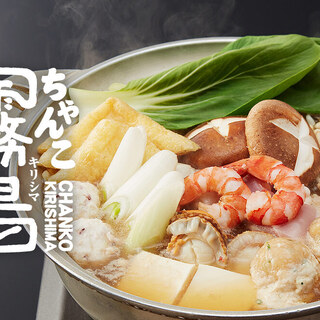
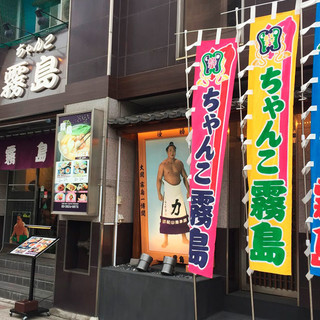
Chanko Kirishima offers authentic chanko hot pot, prepared according to the traditional recipe of the Mutsu stable, where former Ozeki Kirishima trained. Conveniently located near the west exit intersection of Ryogoku Station, the restaurant is easy to find thanks to its large sign on the building.
With seating available across eight floors, the spacious interior allows guests to experience the rich traditions of sumo wrestling while enjoying their meal.
Photograph:tutiya0711
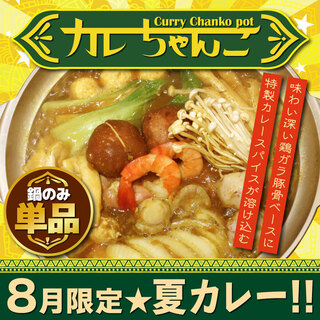
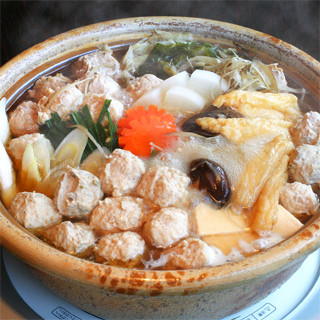
The restaurant's specialty is "Kirishima-style Chanko Nabe," a hot pot recipe passed down from the Mutsu sumo stable. The broth is made from chicken and pork bones, seasoned with both soy sauce and miso for a rich, distinctive flavor.
Generous cuts of meat, seafood, vegetables, and tofu are used as ingredients. As the hot pot simmers, the flavors become deeper and more robust.
Photograph:オヒトリサマ
Lunch sets are available, allowing you to enjoy a single serving of chanko nabe with ease. On weekdays, you can enjoy these meals at even more affordable prices.
There are also set menus that include the restaurant’s signature "Kirishima Tebasaki" (special chicken wings), as well as rice bowls topped with salmon and ikura (salmon roe), ensuring a satisfying and hearty meal.
汐留22
As you would expect from a chanko restaurant, the dishes here are bold and hearty. The signature chanko hot pot features a ginger-infused white miso broth that starts off light and becomes richer as it simmers—a unique and enjoyable experience. The Nagoya-style chicken wings are especially flavorful, and the salad is generously topped with chunks of fresh sashimi. Despite the generous portions, the meal feels surprisingly healthy and light.
Source:汐留22's review

オヒトリサマ
Michinoku Set Meal
A generous chanko hot pot filled with a variety of ingredients, including chicken, chicken meatballs, baby scallops, napa cabbage, mizuna greens, fried tofu, kamaboko fish cake, and udon noodles. The rice bowl is topped with salmon, ikura (salmon roe), and takuan pickles, and comes with nori seaweed—feel free to wrap your rice for extra flavor. The broth is also delicious!
Source:オヒトリサマ's review
Chanko Kirishima Ryogoku Honten
Ryogoku Sta. / Chanko-nabe, Japanese Cuisine, Seafood
-
JPY 5,000 - JPY 5,999
-
JPY 1,000 - JPY 1,999
-
Monday
東京都墨田区両国2-13-7
Reserve online now
See all reviews for this restaurant
Photograph:みゃあみゃあん
Ami is an izakaya specializing in chanko hot pot, conveniently located just steps from the East Exit of JR Ryogoku Station. The restaurant occupies the second and third floors of a building with several dining establishments.
Coasters and chopstick wrappers are printed with fun trivia, making the experience enjoyable even for guests who may not be familiar with sumo culture.
Photograph:山椒薫子
The restaurant’s signature dish, "Yokozuna Chanko," is inspired by the flavors of the Isegahama sumo stable. This luxurious hot pot is packed with fresh seafood, chicken, pork, and beef, and can be enjoyed with either a soy sauce or miso-based broth.
The "Ami Chanko" features a soy sauce broth. While the flavor starts out light, it gradually deepens as the meatballs and other ingredients release their rich umami, creating a truly satisfying taste.
Photograph:にょろくま
Ami offers individual servings of chanko nabe for both lunch and dinner. During lunch hours, you can also enjoy their daily special chanko.
The "Nishoku Tsukune Chanko" features two types of meatballs: one made with sardines and the other with chicken cartilage, allowing you to enjoy both unique flavors and a pleasantly crunchy texture.
夢叶えたる
Ami Chanko Nabe
Orders are available for two or more people. The chanko nabe is brought to your table and heated on an electric cooker right in front of you. The broth has a gentle, comforting flavor that soaks into the vegetables, making the dish easy to finish in no time. For the final touch, we added udon noodles to the pot. With plenty of ingredients, the meal is both satisfying and filling.
Source:夢叶えたる's review

江戸っ子ペコちゃん
Although chanko nabe is often known for its hearty portions, this restaurant offers a convenient lunch set. I ordered the chicken meatball chanko nabe, which featured a flavorful broth. The interior is decorated with many autographs and posters of sumo wrestlers, adding to the authentic atmosphere.
Source:江戸っ子ペコちゃん's review
Ami Ryōgoku
Ryogoku Sta. / Chanko-nabe, Regional Cuisine, Izakaya (Japanese style tavern)
-
JPY 6,000 - JPY 7,999
-
JPY 1,000 - JPY 1,999
-
-
東京都墨田区両国3-26-6伸和ビル2F
Reserve online now
See all reviews for this restaurant
Photograph:川井 潤
This restaurant is owned by the eldest of the "Idutsu Three Brothers," a family of sumo wrestlers who belonged to the Idutsu stable. It is located near the Ryogoku 2-chome intersection.
The interior offers a calm, traditional Japanese atmosphere. While there are many tatami seating areas, semi-private table seating is also available with advance reservation.
Photograph:koppe0723
You can choose from five different types of chanko hot pot broth, with the soy sauce-based option being the most popular. The rich soy sauce is blended with a savory chicken bone broth, creating a well-balanced flavor that you can enjoy to the last bite.
The house specialty is the chicken and pork meatballs, which are seasoned with garlic to add depth and richness to the soup.
Photograph:岬くん
There are also lighter options such as "Ponzu Chanko" made with a delicate chicken broth and simple "Salt Chanko."
A unique choice is the "Curry Chanko," featuring a Japanese-style dashi soup. Not only are the ingredients delicious, but the dish is also enjoyed to the very end with udon or Chinese-style noodles.

koppe0723
During the Grand Sumo Tournament, more than half the seats quickly fill up, and before you know it, the restaurant is full. Both traditional tatami and table seating are available, so it’s best to arrive early. The menu features chanko nabe, a hearty hot pot with a choice of salt, soy sauce, or miso broth. I chose the soy sauce base, which was light yet flavorful. The appetizers, chicken wings, and sashimi were also excellent. The meal concluded with zosui (rice porridge), making for a thoroughly satisfying dining experience.
Source:koppe0723's review

つぶイブ
I decided to try the curry chanko after reading other reviews, and it was the right choice! The best part was finishing the meal with rice cooked in the leftover broth. I was disappointed with chanko at another restaurant before, but the flavors here were truly excellent.
Source:つぶイブ's review
Sumo Chaya Terao
Ryogoku Sta. / Izakaya (Japanese style tavern), Chanko-nabe, Japanese Cuisine
-
JPY 3,000 - JPY 3,999
-
JPY 1,000 - JPY 1,999
-
Monday
東京都墨田区両国2-16-5あづまビル 1F
See all reviews for this restaurant
Tokyo’s Local Specialty Cuisine: Restaurants in the Jindaiji Area
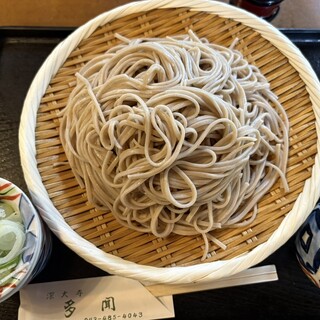
Located near the famous Jindaiji Temple in Chofu, Tokyo, this restaurant is situated in an area long known for its ideal conditions for growing buckwheat, making soba noodles a local specialty.
The restaurant features a traditional Japanese exterior, with both indoor table seating and outdoor seats surrounded by greenery.
Photograph:hitooome
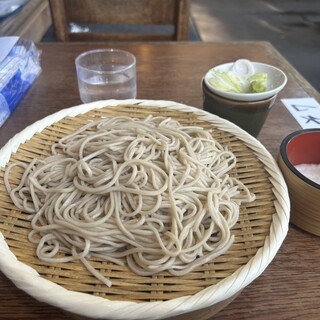
The signature dish is "Jindaiji Soba." Made with a higher ratio of wheat flour, this "san-nana soba" features thin noodles with a pleasantly chewy texture.
It is served with a mildly sweet dipping sauce, making it light and easy to enjoy. Even the regular portion is quite generous, while the medium size offers enough for about three servings.
Photograph:Morirou21
Tempura is highly praised here, with many guests ordering the "Ten-zaru" (cold soba with tempura) or the assorted tempura platter as an appetizer.
The recommended dish is the "Assorted Vegetable Tempura Platter," featuring a colorful selection of seasonal vegetables, wild herbs, and mushrooms, all beautifully fried to complement the soba.

宮ちゃん3号
I visited Tamon for a slightly late lunch and enjoyed their Jindaiji soba for the first time. I ordered the large size as usual, but was amazed by the generous portion when it arrived! Despite the impressive serving, I finished it all—the soba had a firm, satisfying texture and was truly delicious. The staff were also very welcoming and attentive, making for a pleasant dining experience.
Source:宮ちゃん3号's review

hitooome
I enjoyed Jindaiji soba and wild herb tempura. Wild herb tempura is quite a rare treat! The tempura included ingredients like seri (Japanese parsley, dropwort), myoga ginger, and maitake mushrooms—perhaps even some local vegetables from Chofu. It was very satisfying. I went for the medium size because I was hungry, but even the regular size is quite generous. I think I ate a bit too much.
Source:hitooome's review
Tamon
Chofu Sta. / Soba (Buckwheat noodles)
-
JPY 1,000 - JPY 1,999
-
JPY 1,000 - JPY 1,999
-
Monday
東京都調布市深大寺元町2-37-4
See all reviews for this restaurant
Photograph:ごりくん
Located about a 2-minute walk from the "Jindaiji" bus stop, Jindaiji Soba Kiyoshi specializes in soba noodles. Guests can enjoy dishes prepared with Kyoto-style dashi broth and carefully crafted ingredients.
The tranquil Japanese-style interior offers both table and tatami seating. It's an ideal setting to relax, enjoy a drink, and sample a variety of small dishes at your own pace.
Photograph:nekonote87
The signature dish here is the "Special Kamo Seiro" (chilled soba noodles with duck). Unlike the standard "Kamo-jiru Seiro," this dish features beautifully arranged slices of duck, allowing you to fully savor the rich flavor of the meat.
The duck is tender even in thick cuts and has a refined, savory fat. Adding the duck fat to the dipping sauce for the thin soba noodles enhances the flavor even more.
Photograph:Ж‡菊籬‡Ж
Soba topped with tender herring, known for its gentle sweetness and delicate texture that falls apart easily with chopsticks, is a popular choice here. The herring is semi-dried, then carefully rehydrated and simmered in a flavorful sauce.
The "Special NISHIN Soba" features thin soba noodles and herring in a warm broth, offering a clean, subtle sweetness.

chima@
Of course, I ordered the Kamo Seiro (duck soba). Jindaiji Soba Kiyoshi’s Kamo Seiro is my favorite. The thick slices of duck are tender, juicy, and absolutely delicious. I especially love the thinly cut soba noodles—their smooth texture and silky finish make them irresistible. The dipping sauce is also perfectly to my taste. Once again, everything was outstanding.
Source:chima@'s review

Ж‡菊籬‡Ж
Nishin Soba
Beautifully presented with an artistic sense reminiscent of traditional Japanese paintings, the arrangement creates a sense of depth and perspective that is truly impressive. The soba noodles are exceptionally thin and delicate, offering a refined flavor. They would pair wonderfully with grated yam as well. The broth is rich and flavorful, with the sweetness of the herring gradually blending into the dashi, resulting in a deliciously harmonious taste.
Source:Ж‡菊籬‡Ж's review
Jindaiji Soba Kiyoshi
Chofu Sta. / Soba (Buckwheat noodles), Udon (Wheat noodles)
-
JPY 1,000 - JPY 1,999
-
JPY 1,000 - JPY 1,999
-
Monday
東京都調布市深大寺元町5-12-2
See all reviews for this restaurant
Photograph:ラーメンマンジュニア
Located about a one-minute walk from the Jindaiji bus stop, this restaurant sits along the approach to Jindaiji Temple and exudes a traditional Japanese ambiance from its exterior.
Both the interior and terrace seating areas offer plenty of tables, allowing guests to relax while enjoying views of the pond and greenery beside the restaurant.
Photograph:もっつ×もっつ
The restaurant’s specialty is the "Tenmori" set, which features soba noodles served with tempura. The soba is known as "Nihachi soba," made with a blend of 80% buckwheat flour and 20% wheat flour—a traditional ratio that has been cherished since the Edo period.
The dipping sauce is on the sweeter side, a characteristic also dating back to the Edo era. Here, it is customary to enjoy the tempura dipped in the soba sauce as well.
Photograph:二日酔い飯
The menu features several varieties of soba and a selection of side dishes. Among the most popular is the "Miso Oden," a dish of konjac topped with a savory miso sauce, prepared in a style reminiscent of dengaku.
The restaurant also offers local craft beers such as "Jindaiji Beer," making it a pleasant spot to relax after exploring the Jindaiji area.
LIN_KEIYOU
This restaurant serves Ni-hachi soba, a style of buckwheat noodles that offers a firm texture and a smooth, satisfying bite—among the best I've tried in the Jindaiji area. The soba was served remarkably quickly. From the restaurant, you can enjoy views of a pond and, during this season, the beautiful green maple leaves. The pleasant breeze on the terrace and the scenic surroundings made for an especially enjoyable soba experience.
Source:LIN_KEIYOU's review

もっつ×もっつ
We were seated at a table by the pond. Today, my wife enjoyed the Mori Soba, while I chose the Tenmori Soba. Both feature the restaurant’s signature ni-hachi soba noodles. On a hot day, nothing beats the refreshing taste of chilled soba. The tempura was freshly fried, crispy, and paired perfectly with the noodles. Dining on delicious soba surrounded by nature is a true pleasure.
Source:もっつ×もっつ's review
Jindaiji Soba Aokiya Jindaiji Ten
Chofu Sta. / Soba (Buckwheat noodles), Udon (Wheat noodles)
-
JPY 1,000 - JPY 1,999
-
JPY 1,000 - JPY 1,999
-
-
東京都調布市深大寺元町5-12-13
See all reviews for this restaurant
Photograph:びあまぐ
Located near the main gate of Jindaiji Temple, which is home to Tokyo's oldest statue of Shakyamuni Buddha, this restaurant is designed in the style of a traditional teahouse along the temple approach.
Inside, guests can choose between table seating and traditional Japanese tatami seating. There are also covered outdoor seats, allowing you to relax and enjoy the natural breeze and sunlight.
Photograph:Morirou21
The specialty here is "Teuchi Arabiki Soba"—handmade soba noodles crafted from coarsely ground buckwheat flour, giving the noodles a darker hue than usual.
These noodles are firmer than standard soba, offering a robust texture and a rich buckwheat flavor that unfolds with each bite. They pair exceptionally well with the restaurant’s light, refreshing dipping sauce.
Photograph:tcmcmycn
The "Tororo" (grated yam) dishes are also very popular. Pictured is the "Mugi-toro Set," which includes rice topped with tororo and a small serving of soba noodles. You can enjoy both the classic combination of rice and tororo as well as soba with tororo.
Another nice touch: when you order soba, you are served "Ariheito," a traditional peanut candy.
仙川あいり
I ordered the Sansai Soba (JPY 1,100) and added grated yam (Tororo, JPY 300). The soba here is truly delicious! Maybe it’s because of the cold weather, but I couldn’t believe how comforting and gentle the flavors were—I just couldn’t stop eating. The mountain vegetables were all delicious, and topping the noodles with tororo to enjoy Tororo Soba made the meal even more satisfying.
Source:仙川あいり's review
酔いっち
Coarse-ground Soba Noodles
The soba noodles arrived with a slightly darker color, so I enjoyed them with plenty of grated Japanese radish. The noodles had a wonderfully firm and chewy texture, offering a truly exquisite taste. Coming all this way in the cold was well worth it. When the staff brought out sobayu (the hot water used to cook soba), I mentioned how much I enjoyed the firm texture, to which they replied, "That's right—our soba has more bite than most others."
Source:酔いっち's review
Soba Gochisou Monzen
Chofu Sta. / Soba (Buckwheat noodles), Japanese traditional sweets, Senbei (Rice cracker)
-
-
-
JPY 1,000 - JPY 1,999
-
Monday
東京都調布市深大寺元町5-13-5
See all reviews for this restaurant
Photograph:mocapapa116
Established in the Edo period, this restaurant has preserved its traditional flavors for five generations. It is located about a 3-minute walk from the Jindaiji bus stop, near the main gate of Jindaiji Temple.
The interior offers a serene Japanese ambiance. The first floor features both table and tatami seating, while the second floor can accommodate larger groups.
Photograph:如月 来夏
Known for its firm, chewy soba noodles and sweet dipping sauce. The soba is made from stone-milled buckwheat flour and chilled with natural spring water to create its signature texture.
The sweet dipping sauce has remained unchanged since the restaurant first opened. While some are surprised by its sweetness, it is said to perfectly complement the soba when enjoyed together.
Photograph:アフタヌーンティ
The signature dish is the "Musashino" set, which features three varieties of soba noodles served with "Shojin-age"—a selection of tempura made from vegetables and wild herbs.
Each soba bowl is topped with a different ingredient: mountain vegetables, grated nameko mushrooms, and shredded omelet, allowing you to enjoy a variety of flavors in one meal.

MARUTOYO
These soba noodles are crafted to have a firm, satisfying texture. They use buckwheat flour from Aomori Prefecture, chosen for its close resemblance to the local flour once used by the founder, which is no longer available. Because buckwheat flour is sensitive to heat and air, we grind it using a traditional stone mill rather than machines. Ganso Shimada Ya remains dedicated to the authentic, robust texture and rich flavor that have been cherished for generations.
Source:MARUTOYO's review

如月 来夏
Wild Herb Tempura Set
The tempura features local wild greens, such as seri (Japanese parsley), yomogi (mugwort), maitake mushrooms, and perhaps even dandelion. The light, crispy tempura pairs surprisingly well with soba dipping sauce rather than the lighter tempura sauce. The soba noodles are thin yet exceptionally chewy and resilient. The dipping sauce is light in color and quite sweet. Personally, this is my favorite soba among all I've tried.
Source:如月 来夏's review
Ganso Shimada Ya
Chofu Sta. / Soba (Buckwheat noodles)
-
-
-
JPY 1,000 - JPY 1,999
-
Monday
東京都調布市深大寺元町5-12-10
See all reviews for this restaurant
Tokyo’s Signature Local Cuisine: Restaurants of the Izu Islands
Photograph:すえるじおおりば
Located about 280 km from central Tokyo, Hachijojima is accessible by a one-hour flight. Just a five-minute drive from Hachijojima Airport, this izakaya offers a unique taste of the island’s regional cuisine.
The restaurant is housed in a traditional Japanese-style home, providing a warm and friendly atmosphere where both solo diners and first-time visitors can feel at ease.
Photograph:黒子★
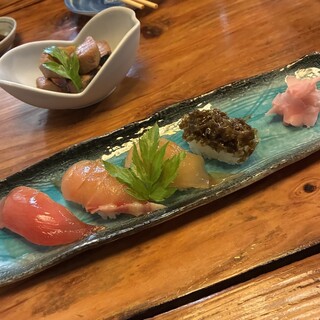
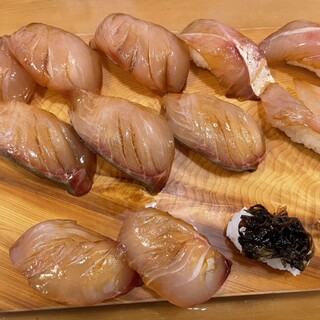
The signature dish here is "Shima-zushi," featuring fresh seafood from the waters around Hachijojima marinated in a soy-based sauce, served atop slightly sweet sushi rice. Uniquely, Japanese mustard is used instead of wasabi.
Many diners are surprised by how well the mustard complements the seafood. Please note that advance reservations are required.
Photograph:majorca
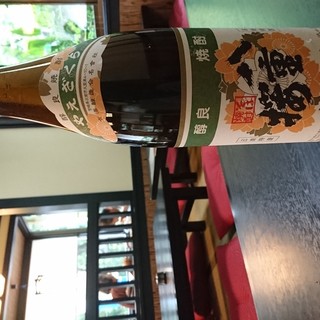
Enjoy dishes made with cheese crafted from Hachijojima-raised milk, as well as unique specialties such as simmered green sea turtle. The restaurant also offers a selection of shochu distilled on the island.
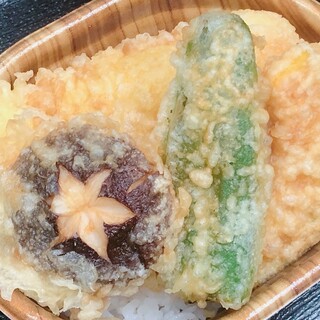
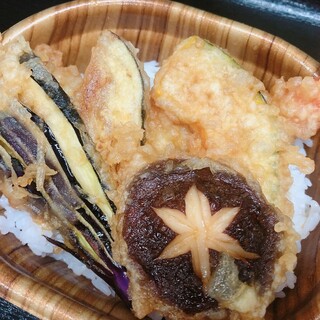
Local favorites include tempura made with ashitaba greens and thick, flavorful shiitake mushrooms, both known for their rich taste. These pair especially well with the refreshing Ashitaba Sour.

haome723
I had pre-ordered the island-style sushi, which features marinated fish topped with mustard instead of wasabi. Surprisingly, the combination worked perfectly and was absolutely delicious. For drinks, I sampled a variety of Hachijojima shochu displayed at the counter before taking a taxi back to my hotel. I also enjoyed a pleasant conversation with the owner, and the staff provided excellent service. This izakaya truly exceeded my expectations.
Source:haome723's review
a3092e
We enjoyed a variety of dishes, including simmered sea turtle, island-style sushi, tempura made with ashitaba leaves, an assorted sashimi platter, caprese salad with mozzarella made from Jersey cow milk, and kara-age (Japanese fried chicken). The island sushi had a pleasantly sweet flavor and was delicious. The sushi topped with rock seaweed was also excellent. The simmered sea turtle had no unpleasant odor and was surprisingly enjoyable.
Source:a3092e's review
Hachijojima Regional cuisine Ryosanpaku
Hachijojima / Izakaya (Japanese style tavern), Regional Cuisine, Seafood
-
JPY 8,000 - JPY 9,999
-
-
-
Sunday
東京都八丈島八丈町三根1672
See all reviews for this restaurant
Photograph:chiichan39
Located about a 10-minute drive from Hachijojima Airport, this restaurant is operated by a local seafood processing company. It is open for both lunch and dinner, and also sells dried fish as souvenirs.
The spacious, warehouse-style building offers a relaxed and comfortable atmosphere.
Photograph:かもしみそ
The local specialty of Hachijo Island, "Shima-zushi," features fresh fish marinated in a flavorful soy-based sauce, with a hint of mustard added between the fish and rice. The type of fish used varies depending on the day's catch. The result is a sushi with a rich, savory taste and a pleasantly chewy texture. The restaurant also offers a "Marinated Local Fish Rice Bowl," featuring the same marinated fish served over rice.
Photograph:カッパの河田郎
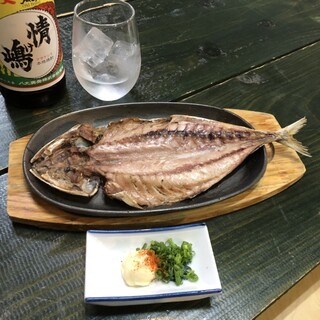
The signature dish here is "Nama Kusaya" (fresh kusaya fish).
Muroaji (horse mackerel) and flying fish are marinated in a secret sauce, resulting in a dish with a distinctive aroma but a surprisingly mild and savory flavor. Adding mayonnaise makes it even milder and more approachable.
かもしみそ
I ordered the Shimazushi set. The fish, marinated in the restaurant’s special aged sauce, has a rich, silky texture and exceptional flavor. Each piece is generously sized, making for a truly satisfying meal. Shimazushi typically features white fish, and the combination of vinegared rice and spicy mustard enhances the overall taste. Highly recommended for anyone seeking authentic Shimazushi.
Source:かもしみそ's review

ひん ひん
Spacious and comfortable with a welcoming atmosphere. I tried kusaya for the first time in my life—while it certainly had a distinctive aroma, it was surprisingly mild once I tasted it. The more I chewed, the more flavorful juices came out, making it a perfect pairing with shochu. I also enjoyed the day's recommended dish: potatoes topped with generous amounts of rock seaweed (I forgot the exact name), which was also delicious.
Source:ひん ひん's review
Aigae Suisan Jizakana Himono Shokudo
Hachijojima / Seafood, Cafeteria, Regional Cuisine
-
JPY 4,000 - JPY 4,999
-
JPY 1,000 - JPY 1,999
-
-
東京都八丈島八丈町大賀郷2333藍ヶ江水産工場内
Reserve online now
See all reviews for this restaurant
Photograph:ryosu190
Located along the road leading from Hachijo Chuo Road to the Hachijo Town Hall, Sushi Dokoro Ginpachi is a popular sushi restaurant. During the tourist season, it often fills up with reservations, so booking in advance is recommended.
The restaurant features a traditional sushi counter, raised tatami seating, and tables that can accommodate groups.
Photograph:r2.ne
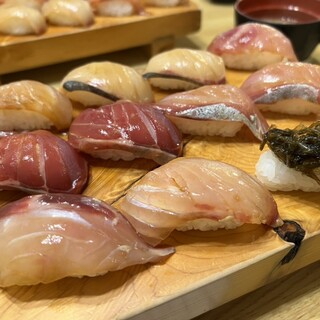
The restaurant’s signature "Shima Sushi" features nine pieces per serving, each topped with a variety of marinated fish.
While most of the sushi uses white fish, which takes on the color of the marinade and may look similar, each piece offers a unique flavor and texture when tasted.
Photograph:Snowman66
The restaurant offers both Chirashi Sushi and Edomae-style sushi, featuring not only seafood unique to Hachijo Island but also classic toppings commonly found in central Tokyo.
Two types of sushi rice are available: the slightly sweet Hachijo Island style and the red vinegar Edomae style. The Edomae-style rice is used for all sushi except "Shima-zushi."

r2.ne
Shima-zushi is known for its marinated white fish and a touch of mustard. While the pieces may look similar, each features a different fish: medai, shima-aji, onagadai, hachibiki (the red one), kuromutsu, and flying fish. An impressive selection! Naturally, each fish has its own unique, delicious flavor. The mustard pairs perfectly with the marinade. I was curious about the combination, but it really works well.
Source:r2.ne's review
Snowman66
I ordered the Ginpachi Chirashi for lunch. Served in a two-tiered lacquered box, the seafood was exceptionally fresh—among the best I’ve had anywhere. Both the flavor and presentation were outstanding. You can choose between traditional vinegared rice or a slightly sweet soy-flavored rice, and both options are delicious.
Source:Snowman66's review
Sushi Dokoro Ginpachi
Hachijojima / Sushi, Seafood, Regional Cuisine
-
JPY 2,000 - JPY 2,999
-
JPY 2,000 - JPY 2,999
-
Wednesday, Thursday
東京都八丈島八丈町大賀郷2521
See all reviews for this restaurant
Photograph:be11be
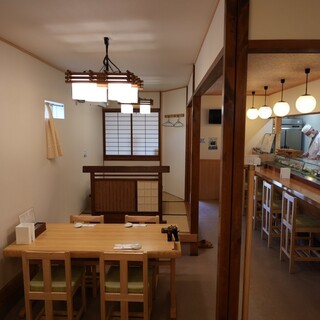
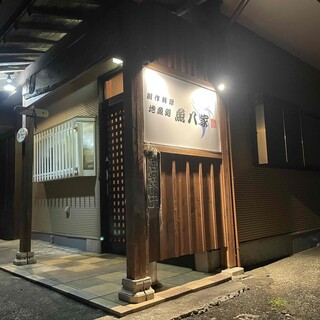
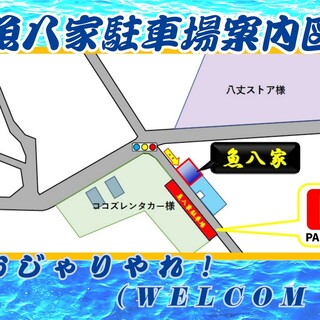
Located midway between Hachijojima Airport and Sokodo Port, Uohachi Tei specializes in local island seafood dishes. The restaurant serves breakfast, lunch, and dinner, making it a convenient option at any time of day.
The interior has a relaxed izakaya-style atmosphere, with counter seating, tables, and traditional raised-floor seating areas, providing a comfortable space for guests.
Photograph:KTMママ
You can choose between 5 or 9 pieces of "Shima Sushi," a specialty of Hachijo Island, with about three types of fish toppings. The fish is marinated in a flavorful soy-based sauce and paired with mustard, creating a delicious combination.
For lunch, the "Shima Sushi Set Meal" is available, which includes small side dishes and a soup. The soup is made with fish bones and leftover parts, resulting in a rich and savory dashi broth.
Photograph:hanak135
The assorted sashimi platter featuring local fish is a customer favorite. The selection varies depending on the day's catch, but you can always look forward to enjoying the freshest seasonal flavors.
Uohachi Tei also offers a range of shochu from Hachijo Island, as well as a liqueur made with locally grown Hachijo Island lemons. With an extensive menu, you'll be tempted to sample a variety of dishes and drinks.

black214703
Visited in the evening. The restaurant offers an excellent selection of island cuisine at reasonable prices. It is quite popular, so making a reservation is recommended. The island-style sushi was especially delicious.
Source:black214703's review
ナスタリチウム
Visited for lunch at 1:00 PM and the restaurant was bustling with guests. The fish set meal was excellent, as expected. The miso soup made with fish bone dashi was especially delicious! It’s also a delight that both rice and miso soup come with unlimited refills. We, along with many other customers, enjoyed extra servings of the miso soup.
Source:ナスタリチウム's review
Jizakana Dokoro Uohachiya Hachijojimahonten
Hachijojima / Izakaya (Japanese style tavern), Seafood, Regional Cuisine
-
JPY 3,000 - JPY 3,999
-
JPY 1,000 - JPY 1,999
-
-
東京都八丈島八丈町三根198-1
Reserve online now
See all reviews for this restaurant